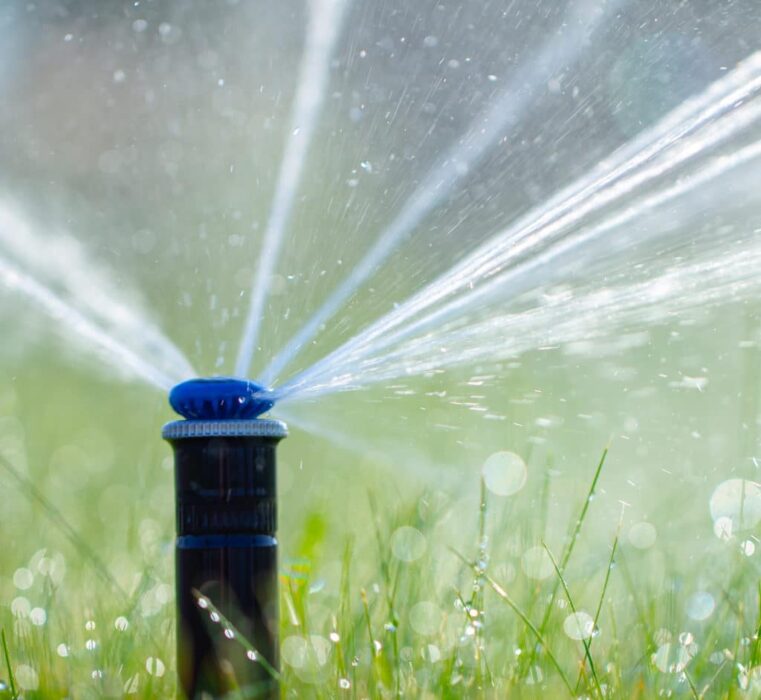
Types Of Sprinkler Irrigation Systems
Grekkon Limited’s has all types of sprinkler irrigation systems for agriculture. From the giant flange type rain guns, to the tiny micro sprinklers. Here detail how each works, and the prices
Types of Sprinkler Irrigation Systems: Price and Specifications
1. Rain gun sprinkler prices and specifications
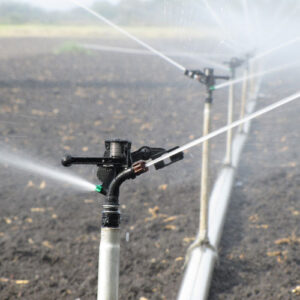
These are for broad acreage
| Type | Make | Inlet
Diameter |
Max Spray Diameter | Min Head (Pressure Rating) | Max Flow Rate | Price in
Kes |
| Flange | Metallic | 2″ | 60M | 40M | 60M3/ Hr | 65,000 |
| Flange | Metallic | 1.5″ | 40M | 40M | 45M3/ Hr | 50,000 |
| PY 50 | Metallic | 2.5″ | 45M | 30M | 25M3/ Hr | 19,000 |
| PY 40 | Metallic | 2″ | 35M | 30M | 17M3/ Hr | 17,000 |
| PY 30 | Metallic | 1.5″ | 30M | 30M | 8M3/ Hr | 15,000 |
| RM | Metallic | 1.5″ | 30M | 30M | 8M3/ Hr | 17,000 |
| Plastic | Plastic | 1.5″ | 30M | 25M | 7M3/ Hr | 5,000 |
| RM | Metallic | 1″ | 20M | 30M | 6.5M3/ Hr | 6,500 |
2. Impact sprinkler prices and specifications
For smaller acreage, open filed crop
| Make |
Inlet Diameter |
Max Spray Diameter | Min Head (Pressure Rating) | Max Flow Rate |
Price in Kes |
| Plastic | 1″ | 12M | 10M | 3M3/ Hr | 1,250 |
| Plastic | 3/4″ | 7.5M | 10M | 2M3/ Hr | 750 |
| Plastic | 1/2″ | 5M | 10M | 1.5M3/ Hr | 450 |
3. Pop up sprinklers
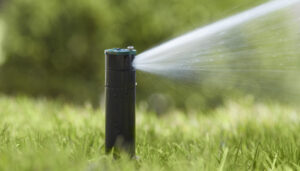
For lawns, parks, and gardens. The are sub surface units, which under pressure rise (pop up) to irrigate.
| Make |
Inlet Diameter |
Max Spray Diameter | Min Head (Pressure Rating) | Max Flow Rate |
Price in Kes |
| Plastic | 3/4″ | 12M | 10M | 3M3/ Hr | 4,500 |
| Plastic | 1/2″ | 7.5M | 10M | 2M3/ Hr | 2,500 |
Types of sprinkler irrigation systems: Others
Other smaller sprinkler types for small gardening are butterfly sprinklers, and micro sprinklers. They have low coverage and an inlet of 1/2″
Micro sprinklers today irrigate large acreages of orchard. They are attached to a sub-main line, taking the pace of button drippers
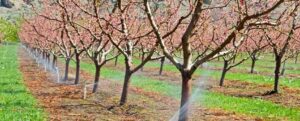
Micro sprinklers in an orchard
How To Select The right Type of Sprinkler Irrigation System
- By crop. Lawn grass will thrive better with pop ups
- Water availability. Rain gun sprinklers demand the most amount of water
- Generation of pressure. Micro sprinklers work with the least pressure
- Budget. Pop up systems are the most expensive , and sophisticated
Drip Irrigation System
Every drip irrigation system in Kenya by Grekkon Limited supported by a HDPE or PVC line. We are the largest drip irrigation kits suppliers in Kenya, reaching the highest number of farmers. At the very bottom we do simple drip irrigation systems, also known as kitchen garden drips
It advances to 1 acre drip irrigation kits, 5 acre drip irrigation systems to hundreds of acres. Our drip pipes for sale in Kenya are the double emitter drip irrigation pipes
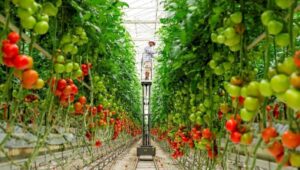
Drip Irrigation Kits Prices In Kenya Are A Factor Of
- Crop type
- Bed spacing
- Terrain
Drip Irrigation System Cost Per Acre In Kenya
| Crop Type | Lines Per Bed | Acreage | Cost in Kes |
| Watermelon, sweet melon, butter nut | 1 | 0.125 | 15,000 |
| 0.25 | 25,000 | ||
| 0.50 | 45,000 | ||
| 1 | 85,000 | ||
| Tomato, cabbage, chillies, capsicum | 2 | 0 | 25,000 |
| 0.25 | 40,000 | ||
| 0.50 | 75,000 | ||
| 1 | 140,000 | ||
| Onion, garlic, herbs, spices, strawberry, green beans | 0 | 27,500 | |
| 3 | 0.25 | 45,000 | |
| 0.50 | 85,000 | ||
| 1 | 160,000 |
Drip Kit Components
- The main line. This is a PVC or a HDPE pipe. The choice of pipe thickness is according to the pressure of the water in it. A farmer with gravity flow has a thinner pipe than one with a high pressure water pump
- Water filter. To remove impurities that will otherwise block the drip pipe emitters
- Gate vales. They control the water movement from one point to another by opening or closing
- Main line fittings; tees, elbows, adaptors, connectors, saddle clamps, reducers, and end caps. They are either PVC or HDPE as per the pipe. Their size depends on the pipe size
- The sub main line. This is connected to the main line, and is the origin of drip lines
- Sub-main line fittings; tees, elbows, adaptors, connectors, saddle clamps, reducers, and end caps. They are either PVC or HDPE as per the pipe. Their size depends on the pipe size
- Drip pipes. These pre-perforated pipes have emitters that supply water to the crop directly
- Drip fittings; starter connectors, off take connectors, drip to drip connectors, rubbers, mini-valves, and end caps
Drip Irrigation Lines and Pipes
In this drip irrigation lines and pipes piece, we will answer commonly asked questions in relation to drip irrigation
1.What is drip irrigation tape?
This is a flat thin walled LLDPE material tube with sequential emitters for irrigation
2. How long do you water with drip tape?
This depends on the crop water need at the time of irrigation. It ranges from 25 minutes to 1.5 hours. It is recommended to irrigate daily over a short duration with the same amount of water to keep the crop happy
3. Can you re-use drip tape?
Yeas you will over several growing seasons. The thicker the wall size, the longer the re-use period
4. What is the maximum length of a drip irrigation line?
1,000M
5. How much water does drip tape put out?
This depends on the emitter specifications. We supply 1.5L/ hour, 2L/hour, and 3L/hour emitters in our drip tapes
6. How much do drip lines cost?
Grekkon Limited’s double emitter drip irrigation lines and pipes for sale in Kenya tapes are categorised by thickness; 0.3mm, and 0.4mm. Both are 16mm in diameter, 1,000M long and with a choice of emitter spacing as 15cm, 20cm, and 30cm
Cost of drip irrigation tapes
| Thickness | 0.3mm | 0.4mm |
| Price | KES 7,500 | KES 8,500 |
The choice of drip line thickness depends on
- is it for out door or greenhouse installation? 0.3mm is fine in the greenhouse because it is no directly exposed to sunlight
- radiation level. where the sun’s radiation is high, 0.4mm is better
7. How much does it cost drip irrigation for 1 acre?
This depends on the crop type. Different crops have different drip irrigation piping requirements
Drip irrigation lines and pipes
By acreage pricing
| Crop Type | Lines Per Bed | Acreage | Cost in Kes |
| Watermelon, cucumber, butter nut | 1 | 0.125 | 15,000 |
| 0.25 | 25,000 | ||
| 0.50 | 45,000 | ||
| 1 | 85,000 | ||
| Tomato, cabbage, chilies, capsicum | 2 | 0.125 | 25,000 |
| 0.25 | 40,000 | ||
| 0.50 | 75,000 | ||
| 1 | 140,000 | ||
| Onion, garlic, herbs, spices, strawberry | 0.125 | 27,500 | |
| 3 | 0.25 | 45,000 | |
| 0.50 | 85,000 | ||
| 1 | 160,000 |
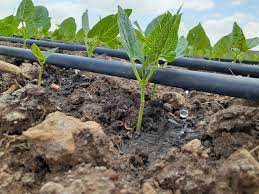
Drip irrigation on green beans by Grekkon Limited
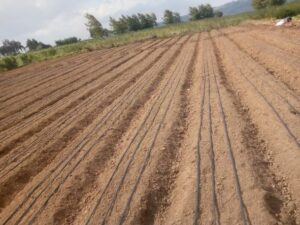
Drip irrigation pipes for onion installed by Grekkon Limited
8. What time of day is best for drip irrigation?
Early morning is highly recommended. If not, then in the evening
9.How much pressure does a drip irrigation system need?
The minimum operating pressure is 3M or 0.3 bar
10. What pipes size should I use for drip irrigation?
There are 3 lines in an irrigation set-up
- main line. This one delivers water to the farm from the source; tank, water pan, lake or river. It is the largest
- sub-main line. It is connected to the main line to supply water to the drip irrigation tubes. It is lesser in diameter than the main line
- drip irrigation tape. it supplies water directly to the crop
The pipe size is a factor of acreage. The main line diameter size on 10 acres is larger than the main line diameter size on half an acre of drip irrigation. These pipes are either HDPE or PVC types
11. How do I start my own drip?
Our technical team guides new drip irrigation farmers on starting out. These are the steps to follow
- identify the area to undertake drip irrigation. It will have a close water source
- what crop is to be grown? this will guide on the number of drip rows per bed
- what is your budget? it determines the acreage to set up the system
Suction Hose Pipes
Grekkon limited’s suction hose pipes for water pumps in irrigation are available as 2″, 3″ and 4″ diameter hoses. Our green Polyvinyl Chloride (PVC) suction hose pipes are designed to withstand high vacuum pressure without collapsing. This is why they are ringed internally to hold the tubing in place during water pumping. This unique feature distinguishes them from other irrigation pipes
Our suction hoses for irrigation work with diesel and petrol generator water pumps, and electric centrifugal water pumps
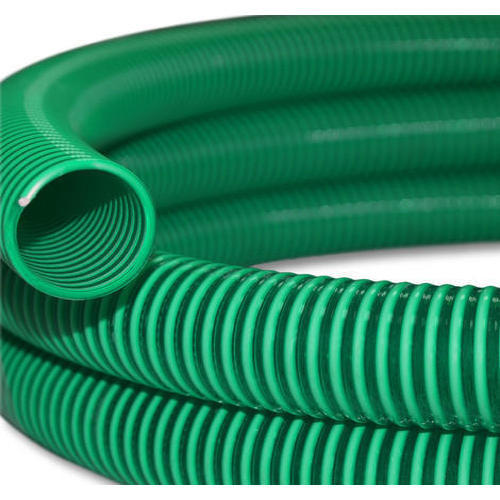
A 2″ diameter suction hose pipe. Notice the dark green rings that allow it to withstand high pressure pumping without the walls collapsing
Suction Hose Pipes Prices In Kenya
| Pipe Diameter | Price per M |
| 2″ | KES 460 |
| 3″ | KES 810 |
| 4″ | KES 1,430 |
Suction Hose Pipes
FAQs
1. What is a suction pipe?
It is a pipe that draws water from source to the water pump for onward evacuation. It is a crucial component of every water pumping system
2. How does a suction system work?
By creating a partial vacuum that draws water into it’s hollow space. This water is conveyed to the pump through the suction pipe
3. What is the function of a suction pipe?
- To draw water from the source and deliver it to the water pump
- It plays a role in the overall friction loss of the system. The larger the diameter, the lesser the frictional losses
4. What is the maximum length of a suction pipe?
8M or 26.4 feet. The suction distance is determined by the altitude. At sea level, the distance is longer than in high altitudes
5. Where is the suction connected to a water pump?
It is connected to the inlet portal of a water pump. The diameter size of the inlet determines the size of the suction pipe; they must be equal
This video illustrates a 3″ suction pipe feeding water a high diesel water pump during irrigation
6. How long can a suction pipe be on a water pump?
Not more than 8M. The higher the vertical pumping head of the water pump, the shorter the suction pipe is
7. What are the components of a suction system?
- the water source. This will be a stagnant reservoir, a flowing river or a storage unit such as a tank
- a foot valve. is an accessory attached at the base of the suction pipe. It prevents the water from flowing backwards when the water pump ceases. This way, the water is maintained in the suction pipe when the water pump isn’t working, thus sustaining a suitable prime for the water pump, and preventing pump burnout

A 3″ and 2″ plastic foot valve
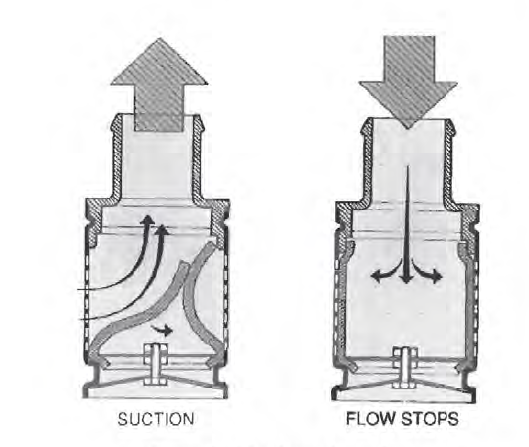
How a foot valve works
- the suction pipes for water pumps which evacuate the water from the source to the water pumps
- a water pump to receive for onward pumping of the water from the reservoir
8. How long can a suction pipe be on a water pump?
For as long as it is pumping
9. What is the minimum suction pressure?
0.6M. The best is 1.5M above the net positive suction head required (NPSHR). NPSHR is a fuction of the pump design
Cabbage Farming in Kenya
Cabbage farming in Kenya through irrigation requires even moisture to produce good heads. Our cabbage farming irrigation systems are; drip irrigation, sprinkler systems irrigation, and rain hose kits irrigation. Farmers’ cabbage water requirements are independent of the varieties grown. The best cabbage varieties to grow in Kenya are hybrids, which require consistent irrigation during growth. Successful cabbage farmers who supply the cabbage market in Kenya water 25 to 37 litres weekly. Good cabbage head sizes weighing 5kgs make it easy for a grower to choose where to sell cabbages in Kenya. Below is a review of cabbage irrigation farming requirements by systems
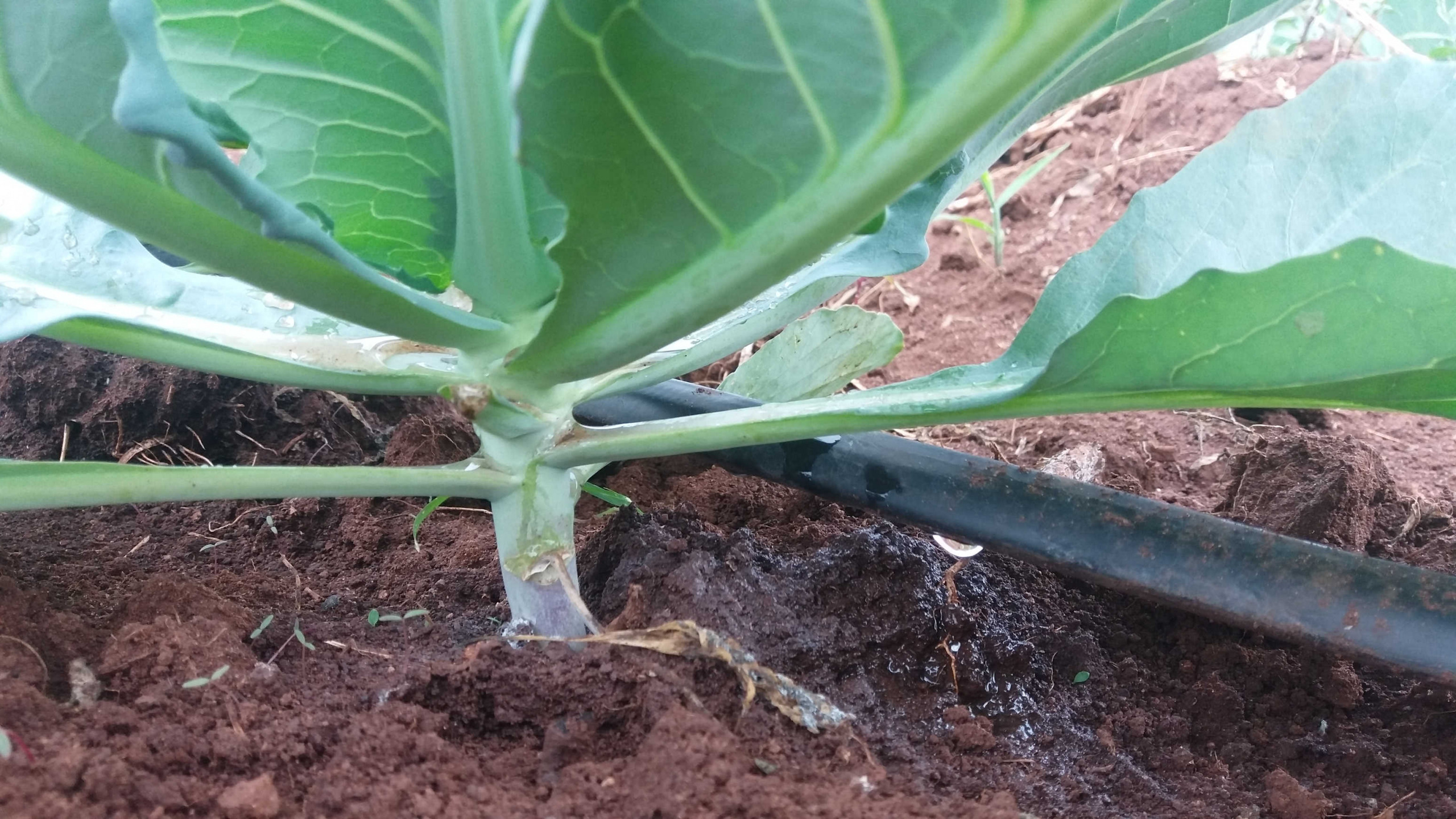
Drip irrigation in cabbage
1. Cabbage farming in Kenya; how to install a drip irrigation system on cabbage
- Bed making
Your beds will be 1M wide to allow for 3 rows of drip lines, and 30cm high for good drainage. Drainage is key to prevent root rot for cabbage as a result of too much stagnant water.
- Drip irrigation tapes laying
2 rows of drip lines per bed. Each drip line row is 20cm apart and the line is 20cm from the edge of the bed. Without beds, each row is 30cm apart
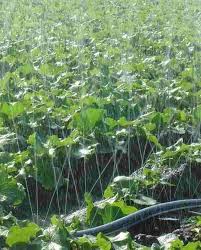
Rain hose irrigation in a cabbage farm
2. How to install a sprinkler irrigation system or rain hose irrigation kit
If you will not make beds, as shown above, then your cabbage spacing is 60 cm apart for rows. The inter-crop spacing is 30 cm to 45 cm. Place your sprinklers or rain hose pipes according to the radius of spray for each to cover the entire area.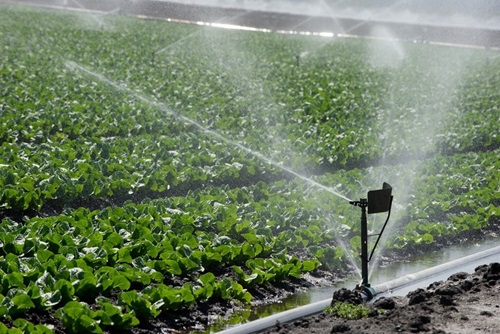
Overhead or sprinkler irrigation on cabbage
Cabbage Farming in Kenya FAQs
- 1-acre drip irrigation kit; Kes 145,000
- 1/2 acre drip irrigation kit; Kes 75,000
- 1/4 acre drip irrigation kit; Kes 40,000
- 1/8 acre drip irrigation; Kes 25,000
Use sparsely spaced drip emitters 30cm apart. This cabbage drip irrigation system will water every plant and they will be no irrigation dry shadows. Irrigate in the morning hours and avoid late evening irrigation
Yes. A cabbage plant will require up to 1inch or 25 litres per meter square weekly during the early stage. At maturity, this will be 2 inches/ 50 litres per meter square under dry conditions. Too much water causes root rot, so monitor that the soil is not overwatered
Stop watering onions 7 days before harvest. This improves the shelf life
Grekkon Limited’s drip irrigation systems operate at 10 to 35 PSI
Yes. 10 to 12 hours of sunlight for head formation in the tropics
Yes. Half an inch/ 12.5 litres per meter square of water 4 times a week is enough.
Yes
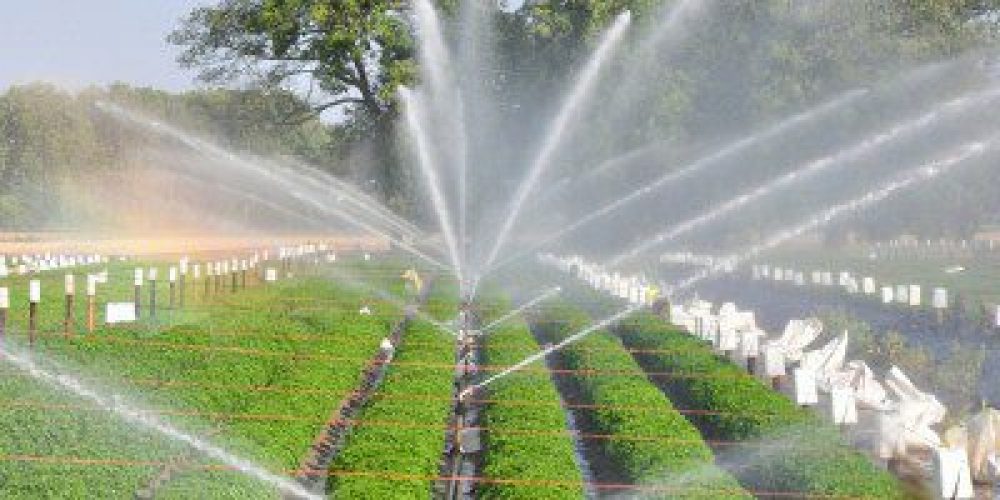
Water Sprinklers
Water sprinklers for sale in Kenya by Grekkon Limited are categorised by size. The sprinkler size determines the place of use, as a result of the unit amount of water it gives. Water sprinklers in Kenya are either plastic or metallic. This affects the price and longevity, but not the water volume.
1. Garden Sprinklers
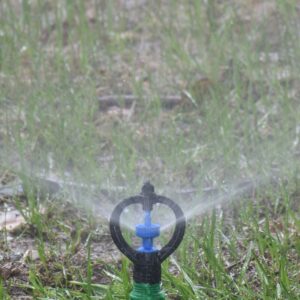
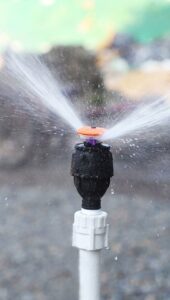
These have an inlet diameter of 1″, 3/4″ and 1/2″. Garden sprinklers have low water volume, and are for home gardening. This includes; kitchen gardens, small scale farms, lawns, hedges, and flower beds. Their irrigation diameter is 3M to 14M according to inlet size and make.
Examples
1.1. Butterfly sprinklers
1.2. Mega net sprinklers
1.3. Impact sprinklers
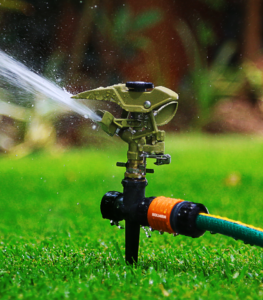
Metallic impact sprinklers
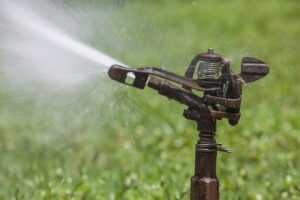
Plastic impact sprinklers
1.4. Pop up sprinklers
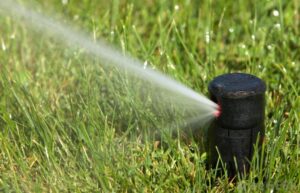
1.5. Lawn sprinkler
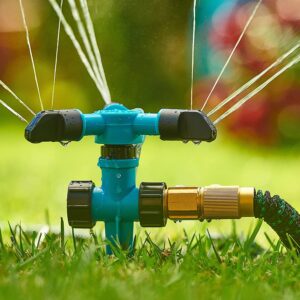
1.6. Sprinkler jet micro sprinkler
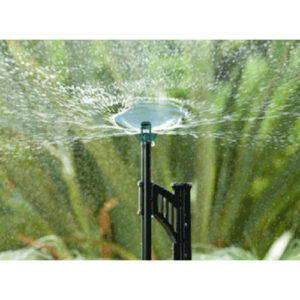
Garden Water Sprinklers Prices in Kenya
A commonly asked question; How much does a sprinkler cost in Kenya?
The table below answers this
| Type | Inlet Diameter | Max Spray Diameter | Min Head
(Pressure Rating) |
Max Flow Rate | Price in Kes |
| Impact Sprinklers | 1″ | 12M | 10M | 3M3/ Hr | 1,250 |
| 3/4″ | 7.5M | 10M | 2M3/ Hr | 750 | |
| 1/2″ | 5M | 10M | 1.5M3/ Hr | 450 | |
| Butterfly & Micro Sprinklers | 1/2″ | 3M | 3M | 0.1M3/ Hr | 150 |
| Mega net Sprinklers | 3/4″ | 10M | 20M | 0.3M3/ Hr | 250 |
| 1″ | 14M | 30M | 0.5M3/ Hr | 350 | |
| Pop up Sprinklers | 1/2″ | 7M | 20M | 2M3/ Hr | 2,750 |
| 3/4″ | 14M | 30M | 3M3/ Hr | 3,750 |
2. Rain gun sprinklers
These are larger sprinklers to irrigate small to large acreage of commercial crop. They vary in size and make.
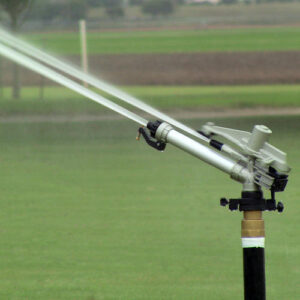
2.1. Flange type rain guns
They are giant rain guns that evacuate large amounts of water, and work under high pressure. They are in large plantations
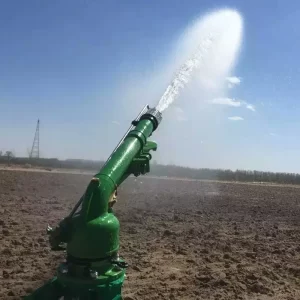
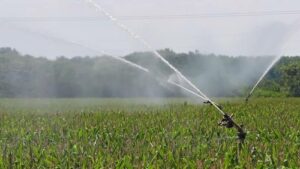
A flange type rain gun in a large field
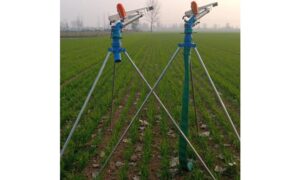
2.2. Atom rain gun
2.3. PY type rain gun
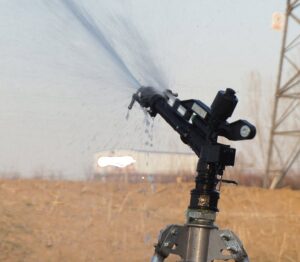
2.4. Plastic rain gun
Rain gun price in Kenya
| Type | Make | Inlet Diameter | Max Spray Diameter | Min Head (Pressure Rating) | Max Flow Rate | Price in Kes |
| Flange | Metallic | 2″ | 60M | 50M | 60M3/ Hr | 65,000 |
| Flange | Metallic | 1.5″ | 45M | 40M | 40M3/ Hr | 50,000 |
| PY 50 | Metallic | 2.5″ | 40M | 30M | 25M3/ Hr | 19,000 |
| PY 40 | Metallic | 2″ | 35M | 30M | 17M3/ Hr | 17,000 |
| PY 30 | Metallic | 1.5″ | 30M | 30M | 8M3/ Hr | 15,000 |
| Atom/ RM | Metallic | 1.5″ | 30M | 30M | 8M3/ Hr | 17,000 |
| Plastic | Plastic | 1.5″ | 30M | 25M | 7M3/ Hr | 5,000 |
| Atom/ RM | Metallic | 1″ | 20M | 30M | 6.5M3/ Hr | 6,500 |
One acre rain hose kits
Grekkon Limited’s one acre rain hose kits in Kenya installations are done by the technical team across the country. The number of rain hose pipes installed per acre is determined by the following:
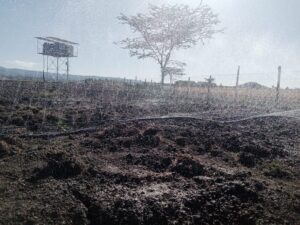
A one acre rain hose irrigation system installed by Grekkon Limited in Makutano area, laikipia county
- the available flow rate, and pumping pressure from the water pump or water source. Where the flow rate and pumping pressure is high, the diameter of reach is broad, so less rain hose pipes are needed
- the diameter of the pipes. Larger diameter rain hose pipes provide more water, over a larger area, so less of them are needed
Cost of one care rain hose kits in Kenya
| Diameter size | Flow rate per 100M | Price in KES |
| 32mm or 1″ | 13 cubic litres per hour | KES 85,000 |
| 40mm or 1-1/4” | 16 cubic litres per hour | KES 78,000 |
| 50mm to 1-1/2″ | 22 cubic litres per hour | KES 70,000 |
Rain hose pipes work under high gravity pressure (from 6M or 0.6bar), and with high volume water pumps. The discharge rate of the water pump is from 40 cubic litres per hour. These water pumps are surface solar, electric, petrol or diesel powered
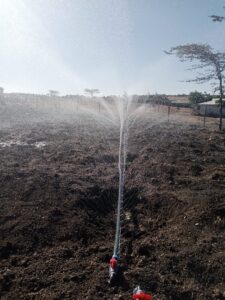
One acre rain hose kits in Kenya
Installation
- Trench where the poly vinyl chloride (PVC) main line will be laid. This is not necessary for the high density polyethylene (HDPE) which are surface pipes. PVC pipes are sub-surface pipes because they have no UV-treatment, and will thus degrade easily under the sun. HDPE pipes have UV treatment and will be surface pipes
- Connect the PVC or (HDPE) main line to the water pump or high tank. This pipe evacuates water from the source to the farm and is the largest in diameter. The larger the pipe diameter, the more the water it delivers. .
- Join the HDPE or PVC sub-main line to the main line. The sub-main line is smaller in diameter, and so carries less water. It is joined to the main line through PVC or HDPE accessories such as; tees, elbows, saddle clamps, adaptors or valve sockets
- Connect the rain pipe to the sub-main line or the main line where a sub-main line does not exist. This is done with a rain hose connector or a saddle clamp
- Spread the rain hose along the length, and close the terminal end with an end cap
- Connect one rain pipe to another with a connector
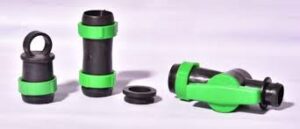
Rain hose fittings from left to right: end cap, connector, rubber, and ball valve
A drilling tool is the only tool used when installing a rain hose kit. This is to create an opening on the main or sub-main line to insert the rain pipe ball valve
One acre rain hose kits
Components of a rain hose irrigation kit?
1. End-caps. They close the end of the pipe to prevent further water flow 2. Starter off-takes. They connect the rain pipe to the PVC or HDPE main line that supplies water to the rain hose from a water pump or highly elevated water tank 3. Pipe connectors. To connect one rain hose pipe to another 4. Mini valves. To control water flow to the rain hose pipe
The diameter of the pipe are; 25mm, 32mm, 40mm and 50mm. A grower chooses the preferred size based on crop water needs and area of irrigation. For instance, a farmer with 1 acre of the crop will comfortably water with the volume delivered through a 32mm rain hose pipe.
Another grower with 5 acres will better irrigate with a 50mm rain hose pipe. An acre of crop uses 1,000 meters of 25mm, 800 meters of 32mm rain hose pipes, 600M of 40mm pipes, and 400M of 50mm pipes
One acre rain hose kits
Rain hose irrigation system requirements
- The system requires a pressure head of 30M, and above
- When using a water pump to power the rain hose irrigation kit, the discharge rate should be from 45 cubic litres per hour
- The rate of water discharge is determined by the diameter size, and number of pores on the rain pipe. For instance, a rain pipe with 5 holes per cluster discharges less water than the one with 7 holes in a cluster
- It irrigates in opposite directions at a radius of 3M for the 32mm pipe, 5M for the 40mm pipe, and 7M for the 50mm pipe
- The vertical height of this water jet is 1M
One acre rain hose kits
FAQs
a. What is the difference between a rain hose irrigation system and a sprinkler system?
- The technology. The rain pipe irrigation system is designed using nano technology
- The mode of spray. A sprinkler sprays its water in one direction, a rain hose pipe sprays in 3 directions (vertically, horizontally, and diagonally)
- Placement. A sprinkler is placed upright on the surface or sub-surface (for pop up sprinklers). A rain hose is laid on the ground
b. What is the pressure in a rain pipe?
The minimum operating pressure is 30M head / 3 bars
c. What is the spacing for rain hose irrigation?
The distance from one rain pipe to another is from 1.5M depending on the operating pressure, and pipe diameter
Grekkon limited is the largest supplier and installer of rain hose irrigation systems in Kenya, and in the east and central Africa region
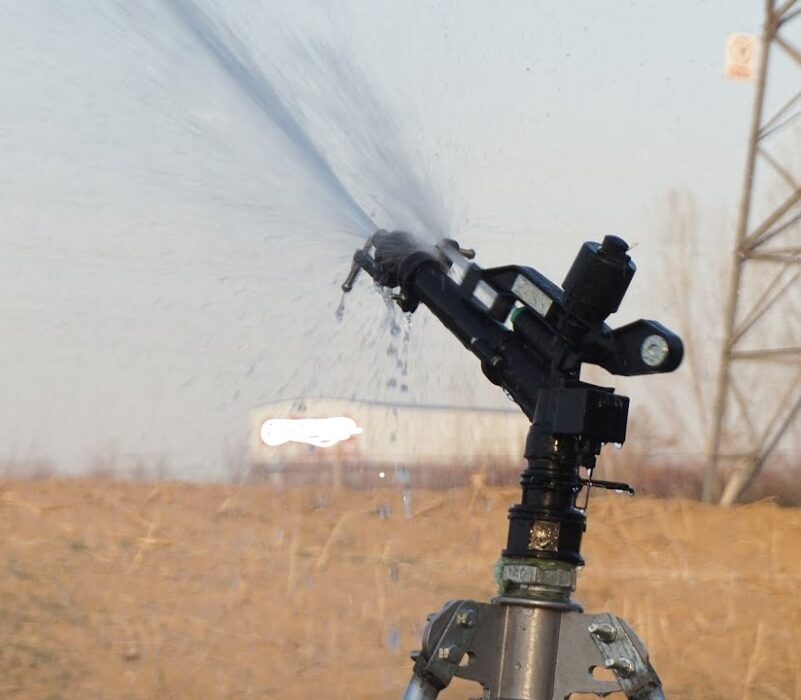
Plastic Rain Gun Sprinkler
Our plastic rain gun sprinkler in Kenya is the Shrub body style whose application is both domestic and industrial. Grekkon Limited’s low pressure plastic rain guns are 1-1/2″ in size. It is a double nozzle with additional detachable nozzles as; 6mm, 8mm, 12mm, and 16mm
This irrigation sprinkler is lighter than it’s metallic counterpart, but with a shorter longevity. It makes it highly portable to reach any point in your farm. It is black in color because it is made from high density polyethylene material (HDPE). This material is UV- treated to reduce it’s degradation by the sun, thus extending the sprinkler’s working life. UV treatment is an important quality in tropical climates where radiation is high. Every tropical grower ought to consider this because it impacts the working life of the rain gun sprinkler
This irrigation rain gun for sale works with water pumps to provide requisite pressure. The necessary water pump specs are:
- It will be electric, diesel or petrol powered
- It must provide a minimum pressure of 3 bars,and a discharge of 8 cubic liters per hour
- The outlet pipe is 1-1/2″ and above. A delivery, HDPE or PVC irrigation pipe evacuates the water from the pump to the sprinkler.
The rotation is up to 360 degrees. A farmer will adjust the rotation area manually as necessary using the pins below the nozzles. All metallic parts are rust proof and the rubbers are easy to replace once they wear out. Our plastic rain gun sprinkler features a friction collar and a trip lock, and are also provided with a jet breaker for uniform water application
Types of rain gun sprinklers
1. Plastic
2. Metallic; PY type, Atom and the flange type rain gun sprinklers. Learn more here; https://grekkon.com/rain-gun-sprinklers-2/
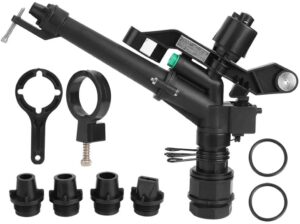
Plastic Rain gun sprinkler specifications and price
| Type | Body Type | Inlet Diameter | Max Spray Diameter | Min Head (Pressure Rating) | Max Flow Rate | Price in Kes |
| Plastic | Shrub | 1.5″ | 30M | 25M | 7M3/ Hr | 5,000 |
Plastic Rain gun
Product benefits
- This is ideal for newly cleared areas
- It reduces irrigation time
- Low labour cost
- High efficiency
- Improves humidity or creates a micro-climate
- It is easy to maintain and use
- Irrigates a much wider area than conventional smaller impact sprinklers
Disadvantages of rain gun irrigation
- It consumes a large amount of water
- The need for a high amount of power makes it costly to operate
FAQs
1. How much horsepower (Hp) is required for a rain gun?
This depends on the rain gun sprinkler size. The larger it is, the greater the discharge, and so the greater the power needed. Another factor is the number of rain guns set to run at a go. Generally, it is from 8.5Hp
2. Is rain gun good for irrigation?
Yes it is. However, do not irrigate on crops that are highly susceptible to fungal infections with overhead irrigation. Examples are; tomato, potato, capsicums, and others
Drip Irrigation System Layout
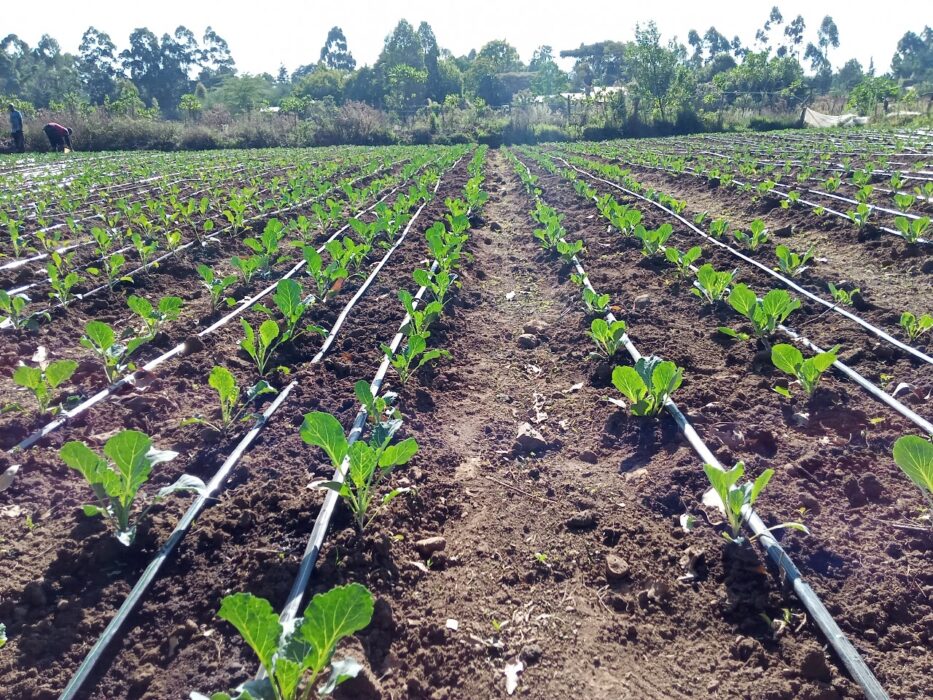
Grekkon Limited’s drip irrigation system layout is done for all farm sizes, and all crops. There 3 ways in which the company gathers data to develop a drip irrigation system layout
- Farmers provide detailed sketches as directed by the company from which a drip irrigation system layout is developed. This sketch will include; the farm dimensions in meters, the water source type, distance to the water source from the farm, details of any existing irrigation infrastructure, any existing roads or pathsways, any none farmable sections (rocky areas, wet lands, built up locations etc), planting beds layout, the direction(s) of slope, and the total vertical elevation
- Provide the farm’s map coordinates from which the company assesses the farm layout using satellite technology
- Conduct a physcal site assessment visit. This is only carried when 2 above cannot be done
The company only charges for the 3rd service to cover the logistical costs


A sample drip irrigation system layout for a 40 acre farm by Grekkon Limited
The company’s irrigation engineers will conduct a physical visit on a prospective farm to determine the following
i. The water source. The company measures the water volume, and analysis the quality. The volume determines the irrigation system to use, the size of the water pump, and the acreage covered. For intance, a farmer with a borehole yielding 15 cubic litres per hour is best positioned to irrigate using drip irrigation. His irrigated acreage will not exceed 30 acres for optimal water utilisation. On the other hand, a farmer by a large permanent river or lake water source will irrigate hundreds of acres using any irrigation method preferred. The water quality determines the type of filtration system to install.
A screen filter is for water under low pressure with a negligible amout of suspended dirt or other particles. A disc filter is preferred for water under high pressure, with a negligible to a modest amount of suspended dirt orcother particles. A sand filter is for dirty water under high pressure

A simple drip irrigation kit by gravitational flow system layout
ii. The dimensions of the farm in meters. to provide the total acreage. The acreage will determine the pipe diameter sizes, the water pump’s flow rate, and the sub-division of the irrigation blocks
iii. Slope. The elevation of the farm gives the vertical head or lift needed. This is important in determining the pressure rating of the water pump to install, the pipe diameters, the planting beds layout (these should be done against the slope), and the size of the irrigation blocks
iv. Any existing irrigation infrastructure; to determine what can be used or incorporated into the new system
v. Provide advise on security measures for key company installations such as; large water pumps, solar modules, solar inverters, control panels, cables, and other high value accessories
Key Requirements To Install A Drip Irrigation System
1. A water source
2. A water pump and piping mechanism to move this water from the source to the tank or directly to the drip irrigation system.
3. Water storage tank if you’re using gravity to irrigate
4. A tank connector
5. Pipes for the mainline and sub-main line.
6. Mainline and sub mainline fittings
7. Drip irrigation water filter
8. Drip irrigation pipes
9. Accessories
10. Ball valves
Steps To Follow In Designing A Drip Irrigation Layout
- Determine where the water pump or water tank will be placed. Water tanks are used for small acreage gravity flow irrigation, and should be placed at highest elevation to allow ease of water flow by gravity
- The main line originates from the water tank or water pump. The size of the main line determines the volume of irrigation water delivered to the farm in every irrigation session. The larger the farm, the greater the diameter of the mainline
- The water filter is connected along the main line
- A venturi fertigation system where needed is along the main line. The venturi fertigation system is a chemifertigation centre that allows drenching of chemicals and fertiliser through the drip irrigation system
- The air release valves are along the main line. Air release valves are installed where the water pressure is high. This is in steep elevations, or if the water is chanelled via a high pressure water pump. They prevent air locks in the irrigation system. Air locks dramatically reduce, or cease water flow in the system
- A sub main line will be connected to the main line along its way using hydrants. Hydrants are points from which irrigation in a block is controlled from. They can be automated using solenoid valves, or manually operated through ordinary valves. The decision to have sub main lines is a factor of the farm size. In small drip irrigation set ups, the drip pips are directly connected to the main line. In larger acreage, the drip line originate from the sub mainline
- The main line is always larger in diameter than the sub main line. The diameter of the sub main line is determined by the size of the main line. The larger the latter, the larger the sub main line is
- The hydrants are positioned at the beginning or end of every irrigation block
- Planting beds are done against the slope. This is to slow down erosion, and allow better water percolation in the soil during the rainy season. The width of the planting bed is determined by the crop type
- Drip lines lie along the length of the planting beds. The number of drip lines per bed depends on the crop type. E.g 2 drip lines are installed for tomato, 3 drip lines for onion or garlic, and 4 drip lines for some herbs and spices

A 3 row drip layout per bed installed in Birikani area of Kajiado county
Adjustable Button Drippers For Irrigation
1. What is a button drip emitter?
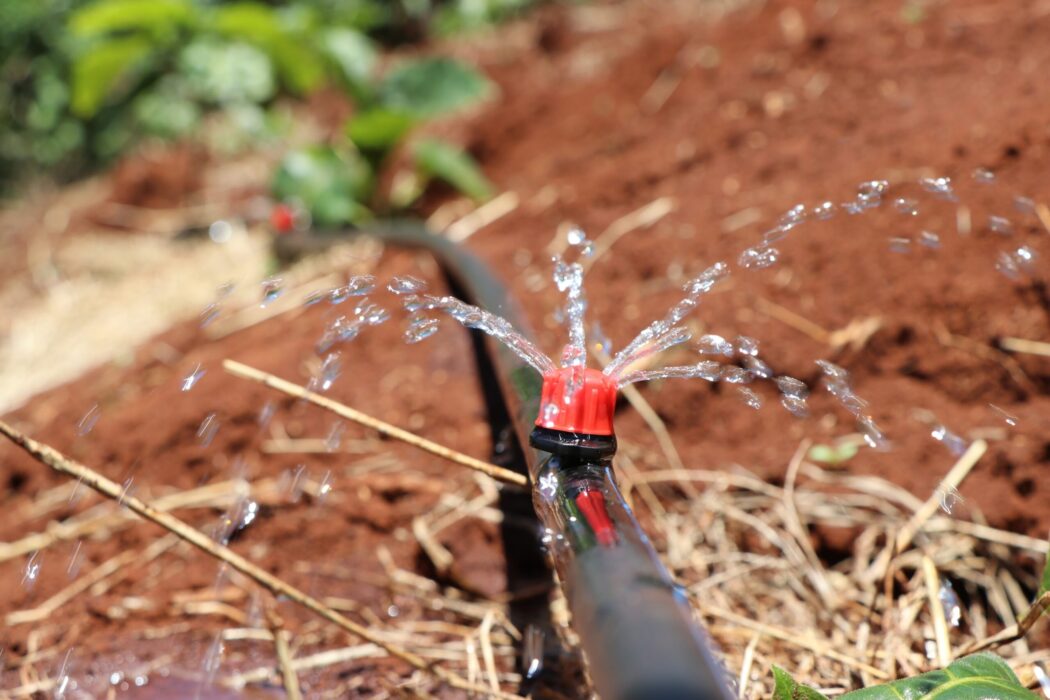
Adjustable button drippers for irrigation are irrigation accessories attached onto a high density polyethylene (HDPE) pipe.
They deliver a consistent and uniform amount of water the crop by regulating the flow. Button drippers in Kenya, button drip are common in fruit trees, forestry and hedges irrigation
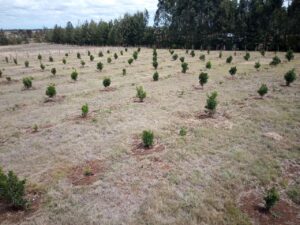
A macadamia crop under button drip irrigation installed by Grekkon Limited in Iten area, Elgeyo Marakwet county. January 2021
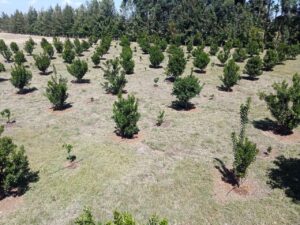
Same macadamia crop in January, 2023
2. How do you install button drippers?
A perforation is made on the HDPE pipe with a drip punch, then the button dripper’s pointed end is pushed into this hole. This punching is done at the point where the tree crop is. But it will be away from the trunk to ensure that water flows to the roots below. The button dripper will be 3-6 inches away from the trunk. This will also prevent fungal infections and other types of diseases.
For younger tree crops, a single button dripper or emitter is sufficient. However, with older larger trees, 2 or more button drippers are provided according to the plant’s water need. In this case, have them equally on the opposite sides of the tree crop to promote even root growth. Two or multiple button drippers ensure that if one is blocked, the other one or the rest continue to water
3. How do you use an adjustable button dripper?
Once in place on the irrigation line, you will adjust your button dripper from 0 discharge to 70 liters per hour flow of water. This is done by turning the dripper to achieve different flow rates as per the crop water needs
4. How long should button drippers run?
Your adjustable button drippers for irrigation will run for 30 minutes to an hour. This is guided by the moisture requirement of the soil, as per the prevailing weather conditions
5. How many button drippers can I run on one line?
This is determined by the diameter size of the irrigation pipe. The larger it is, the more water it ferries over a longer distance. Therefore, the greater the number of button drippers. The other factor is the flow rate of the adjustable button drippers themselves. If adjusted to maximum flow rate (70L per hour), then the line will have less. If the adjustment is to half of that flow rate, then a similar line will carry twice as much
6. How do I increase the pressure in my button drip irrigation system?
They are several ways to raise the irrigation water pressure in your button drip irrigation system
i. Divide the farm into blocks, each of which is irrigated separately. This way, irrigation water is channeled to particular block under high pressure
ii. If it is by gravity flow, then by raising the storage elevation. This will work where raised water tanks are the source of irrigation water
iii. By introducing an external source of pressure, such a s water pump to boost the flow of irrigation water in the system
Adjustable button drippers for irrigation price in Kenya
The cost of a button dripper is Kes 12 a unit
The cost of a button dripper irrigation system per acre depends on the tree crop spacing. In the tabulation below, we provide 3 examples
| Avocado | Passion / Paw Paw |
Apple / Tree Tomato | ||
| Spacing | 5M x 5M | 3M x 3M | 2.5M x 2.5M | |
| Cost per Acre | Kes 85,000 | Kes 100,000 | Kes 115,00 | |